

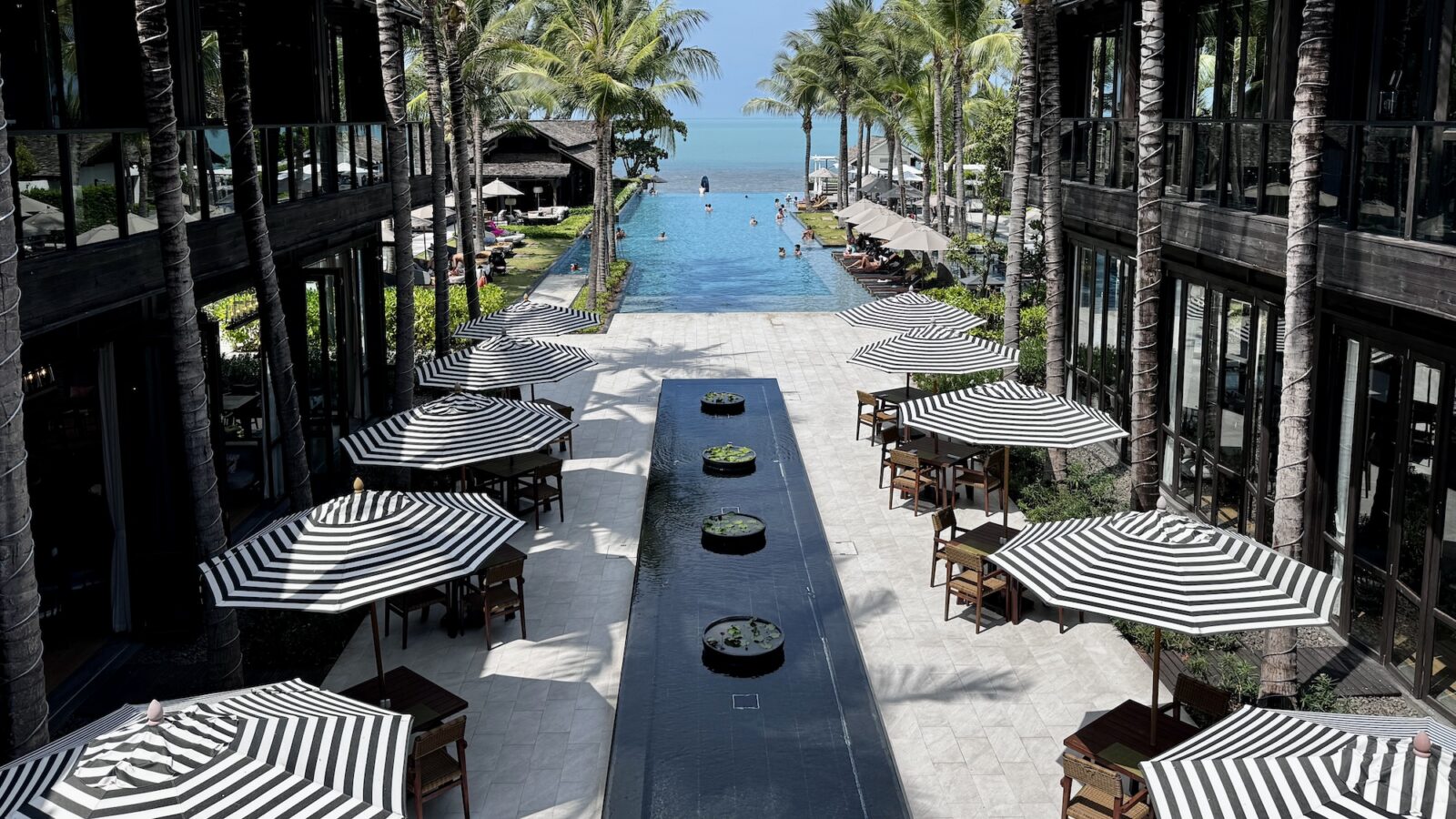
When it comes to travel, there’s not one single definition of luxury. Ultra-luxury, barefoot luxury, eco-luxury, approachable luxury: Cynics might think of this as just forms of branding, but I love that it gets at the many ways an experience can feel luxurious, and rescues the idea of luxury from the one-dimensionality that comes with just looking to the most expensive and flashy offerings for a definition of luxury.
Here’s a quick primer on all the forms of luxury travel I’ve seen and experienced in my two decades as a travel journalist.
Types of luxury travel
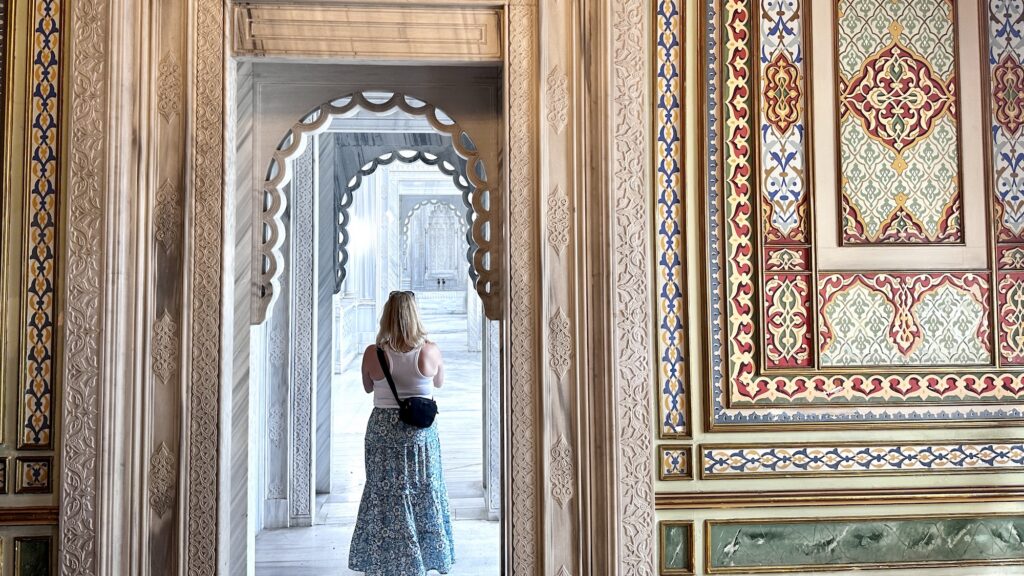
Traditional luxury: When most people say luxury travel, this is likely what they mean. Traditional luxury travel looks to the classic brands of upscale travel: Aman, Four Seasons, Mandarin Oriental, Ritz-Carlton, and other luxury hotel brands as well as more niche luxury experiences like castle and villa hotels. In the cruise space, you’ll find traditional luxury experiences onboard Azamara, Crystal, Regent Seven Seas, Seabourn, Silversea, and other top-tier cruise lines.
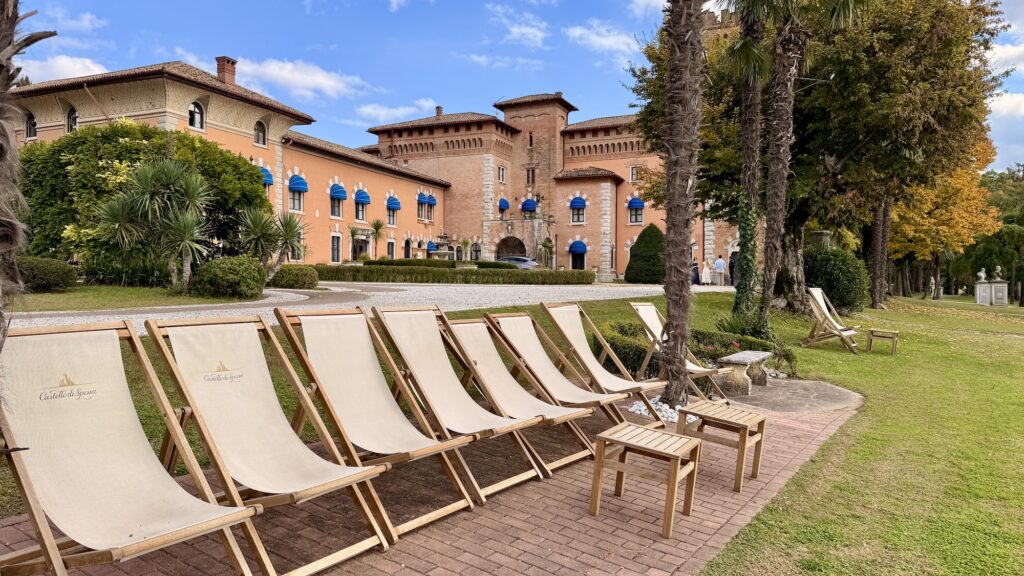
Ultra luxury: Private jets, ultra-exclusive resorts within resorts, and the notion that if you need to ask how much something is, this is not the category for you. Ultra-luxury isn’t generally something people book themselves; rather, it’s something arranged on behalf of the traveler.
Approachable luxury: Luxury that feels upscale but not stuffy and sits on the less expensive end of the luxury travel scale. Noteworthy for its distinctive details and thoughtful touches that distinguish it from more cookie-cutter offerings. Approachable luxury is often artisanal and a little bit playful.
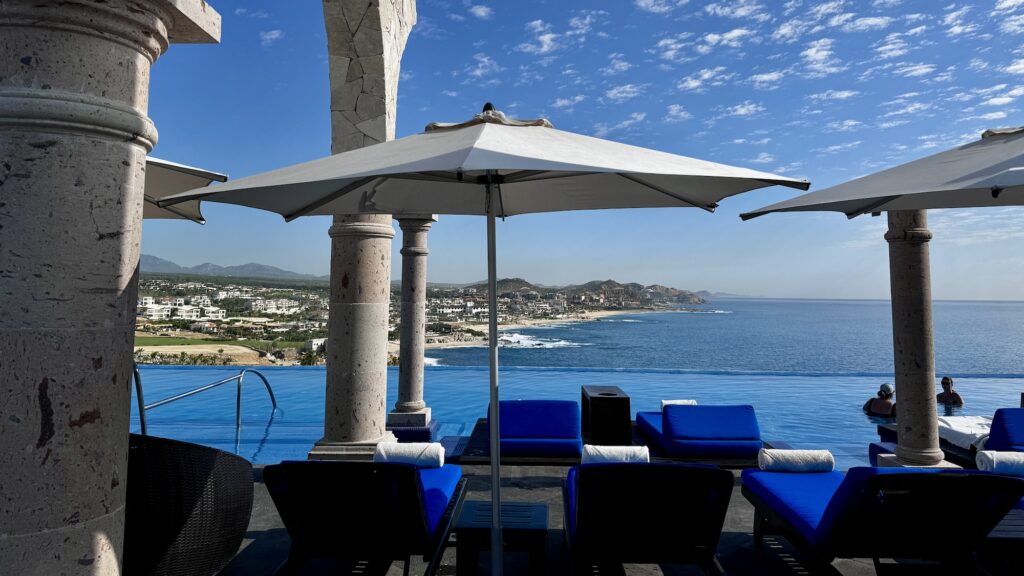
Quiet luxury: Unostentatious but elegant with understated elements of luxury. In the travel space quiet luxury relies on beautifully made, high-quality offerings; a high caliber of service, and beautiful surroundings. Think cashmere over diamonds, and the Maldives over Dubai.
Barefoot luxury: The first time I heard this term was on the small Caribbean island of Anguilla. Generally, barefoot luxury trends tropical with a beachy barefoot vibe. It relies on limited development, the preservation of natural beauty, and many of the same unostentatious but elegant offerings of quiet luxury.
Eco-luxury: Eco-luxury (also known as sustainable luxury) was created to highlight that luxury doesn’t have to mean wasteful consumption. Eco-luxury resorts tend to be in beautiful, isolated places. These small-footprint resorts offer polished experiences and luxurious surroundings but remain connected to nature.
Experiential luxury: Of all the types of luxury travel, experiential luxury is my favorite. This type of travel is rich in immersive experiences, with a focus on individual or small-group experiences. It’s about access and immersion, the chance to see and do things that aren’t part of the standard travel experience. Examples of experiential luxury are delightfully varied, but might include a wine-blending experience with a third-generation wine maker in France, the chance to learn ikebana (Japanese flower arranging) with a Japanese master, or a luxury tour that gives guests daily chances to go deeper into a destination through hard-to-access local-led experiences.